

Cracks, broken joint arrises, spalled concrete and potholes all get worse under wheeled traffic. Left alone, they damage forklift wheels and loads, create trip hazards and spread. Failed coatings — peeling, blistering or worn through — leave floors dusty and hard to clean.
Good repairs start with understanding the cause. Is the joint moving? Is moisture pushing a coating off? Was the original finish too thin for the traffic? We investigate, then cut back to sound material and rebuild with suitable repair mortars, joint systems and resins.
Repairs we carry out
- Crack repairs and resin injection where appropriate
- Joint repairs: rebuilding broken arrises and re-sealing joints (see floor joint repairs and joint sealing)
- Spalled and damaged concrete rebuilt with epoxy or polymer-modified mortars
- Pothole and pitting repairs in traffic routes
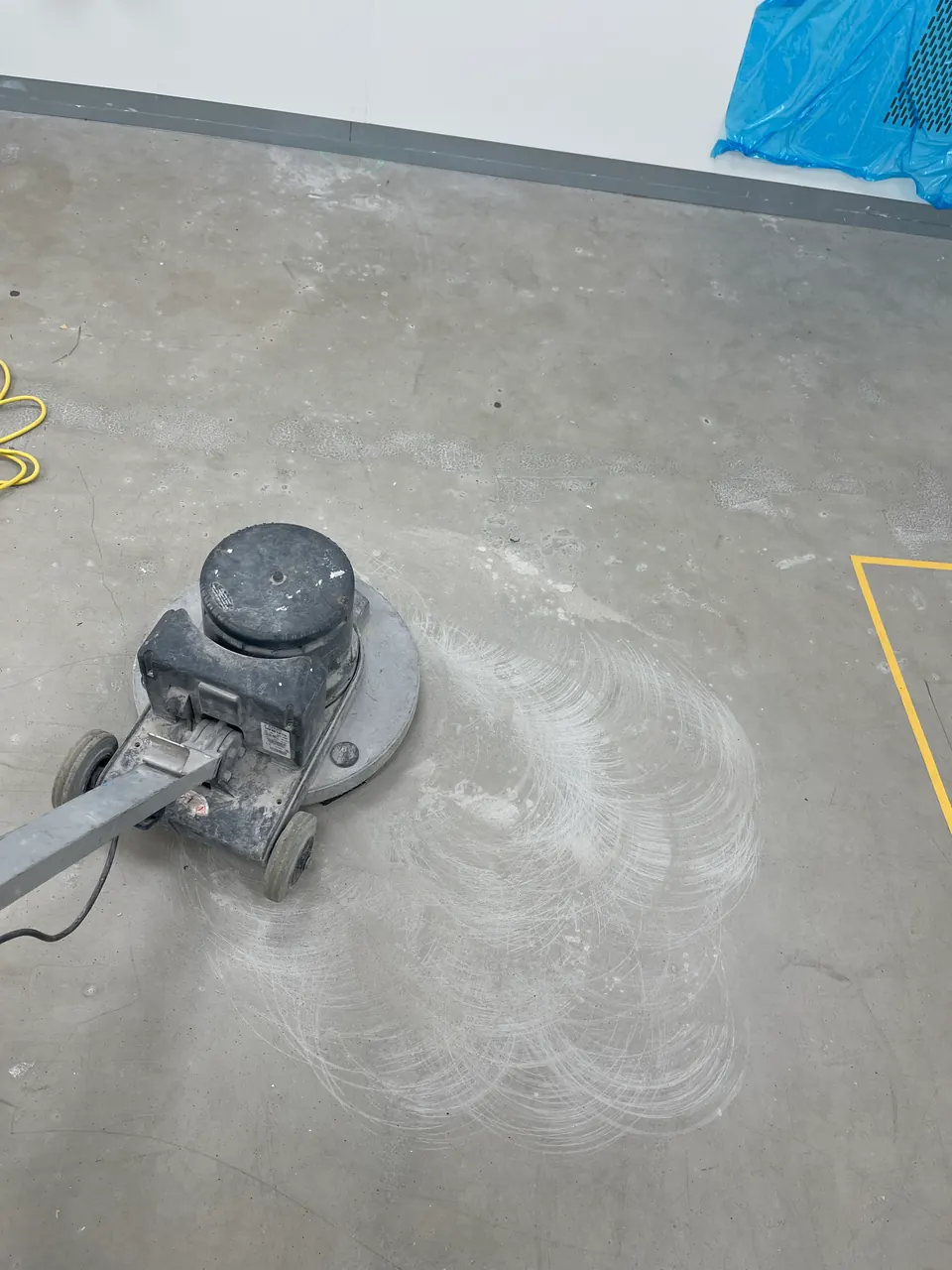
- Removal of failed coatings and re-coating
- Patch repairs to existing resin floors
- Repairs around drains, thresholds and plinths
Minimising disruption
Many repairs can be carried out in sections, out of hours or over a weekend, using fast-curing materials where the area needs to be back in service quickly. We will tell you honestly when patch repairs are a sensible option and when a floor really needs a wider overhaul.



Frequently asked questions
Can a repaired area match the existing floor?
We will get as close as practical, but repaired areas on older floors rarely match perfectly because existing finishes fade and wear. Where appearance matters, a fresh top coat over the wider area can give a uniform finish.
Why do floor joints keep breaking?
Joint edges take repeated impacts from wheels, especially hard forklift wheels. If the joint is still moving, a rigid repair will crack again. We assess whether the joint is live and choose a repair detail to suit.